1. Safety check
Before sorting begins, the crew checks for hazards such as sharp objects, pests, mold and unstable piles. Protective gear is chosen to match.
Indian Springs, GA · Catoosa County
Is a house in Indian Springs full of belongings, spoiled food or signs of pests? Call (877) 812-4220 to reach a hoarding cleaning company for sorting, haul-away, sanitizing and follow-up planning.
If anyone is in danger, call 911 first. For a suicide crisis, call or text 988.
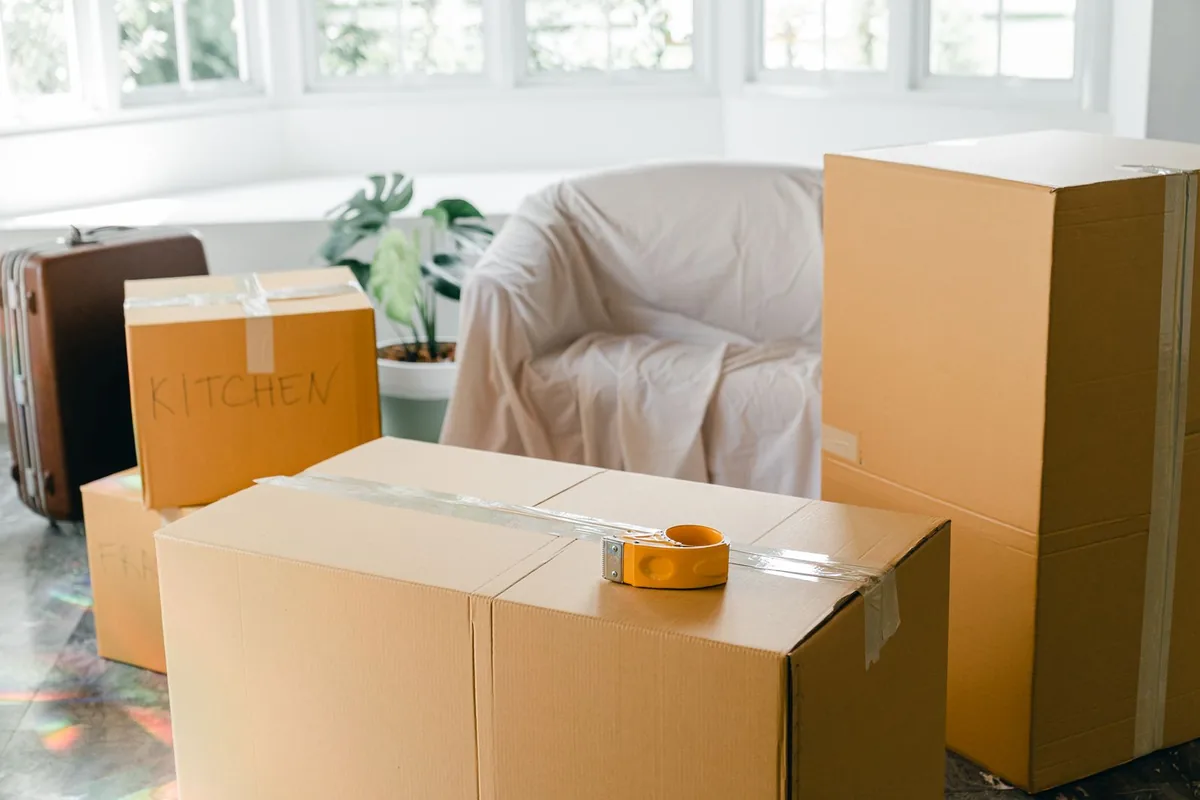
Cleaning a hoarder's home covers more than moving boxes. It includes protecting documents and keepsakes, removing contaminated materials, disinfecting with EPA-registered products and planning for repairs afterward.
Every hoarding cleanup in Indian Springs should be a private matter. You get crews who work quietly, speak respectfully and keep what the resident chooses to keep, whether you call Indian Springs Biohazard Cleanup Help from Catoosa County or beyond.
About 19% of residents in Catoosa County are sixty-five or older, and older adults often need a gentler pace, short sessions and clear paths for walkers. Most homes in Catoosa County are owner-occupied, with about 26% rented. Owners and their families usually decide the pace and what stays.
Hoarding Cleanup in Indian Springs usually includes:
Before sorting begins, the crew checks for hazards such as sharp objects, pests, mold and unstable piles. Protective gear is chosen to match.
Papers, photos, medicine, jewelry and keepsakes are gathered and kept safe. The resident can name anything that must not be moved.
The team works from the highest-risk areas outward. Each cleared space is cleaned before moving on.
The home is walked with the resident. The team points out what changed and what still needs attention.
Hoarding cleanup in Indian Springs, GA typically costs $500 to $25,000, depending on the size of the affected area and the materials involved.
Two hoarder cleanup quotes can differ because one covers cleaning and disposal and the other does not. Compare what each one includes before choosing.
| Type of job | Typical range |
|---|---|
| Level 2 | $1,000 - $3,000 |
| Level 3 | $2,000 - $5,000 |
| Level 1, light | $500 - $1,500 |
| Most homes, per square foot | $1 - $2 per square foot |
Estimates only, not a quote. Sources: Dropcurb, Lifecycle Transitions. Price drivers include level of accumulation, home size, whether exits and rooms are blocked, pests or animal waste. Call (877) 812-4220 to talk through the job.
A lightly crowded room with a willing resident can be a do-it-yourself project with gloves, a mask and a helper. Beyond that, hidden hazards, heavy items and the emotional strain make a team the safer choice.
A lightly crowded room may take a day, while a whole home with heavy buildup can take several days to a few weeks. The resident's pace, pests, mold and repairs all change the timeline. The team can estimate after seeing the home.
Offer help without pressure, ask what they want to keep and agree on one small area to start. Do not remove items they have not released. A cleanup team can take over the heavy lifting, disposal and sanitizing while you offer support.
Start with safety, then sort, remove and clean in that order. Exits and fire hazards come first, then spoiled food and unsafe items, then deep cleaning of kitchens and bathrooms. The resident decides what stays, and a cleanup team can handle the heavy parts.
Hoarding is often described in levels, and level one is the lightest. Clutter is present but exits and pathways are open, utilities work and rooms can still be used. Higher levels bring blocked rooms, sanitation problems and safety hazards.
Most often the resident or the property owner pays, and family members sometimes share the cost. In a rental, the lease and local law decide between landlord and tenant. Some local aging services or housing agencies help in some places, so it is worth asking.
Call and ask how valuables, papers and keepsakes are kept safe.
Call (877) 812-4220